
Kung Fu and traditional martial arts are not only relevant in the age of the UFC and BJJ; they are arguably more necessary than ever for the modern human.
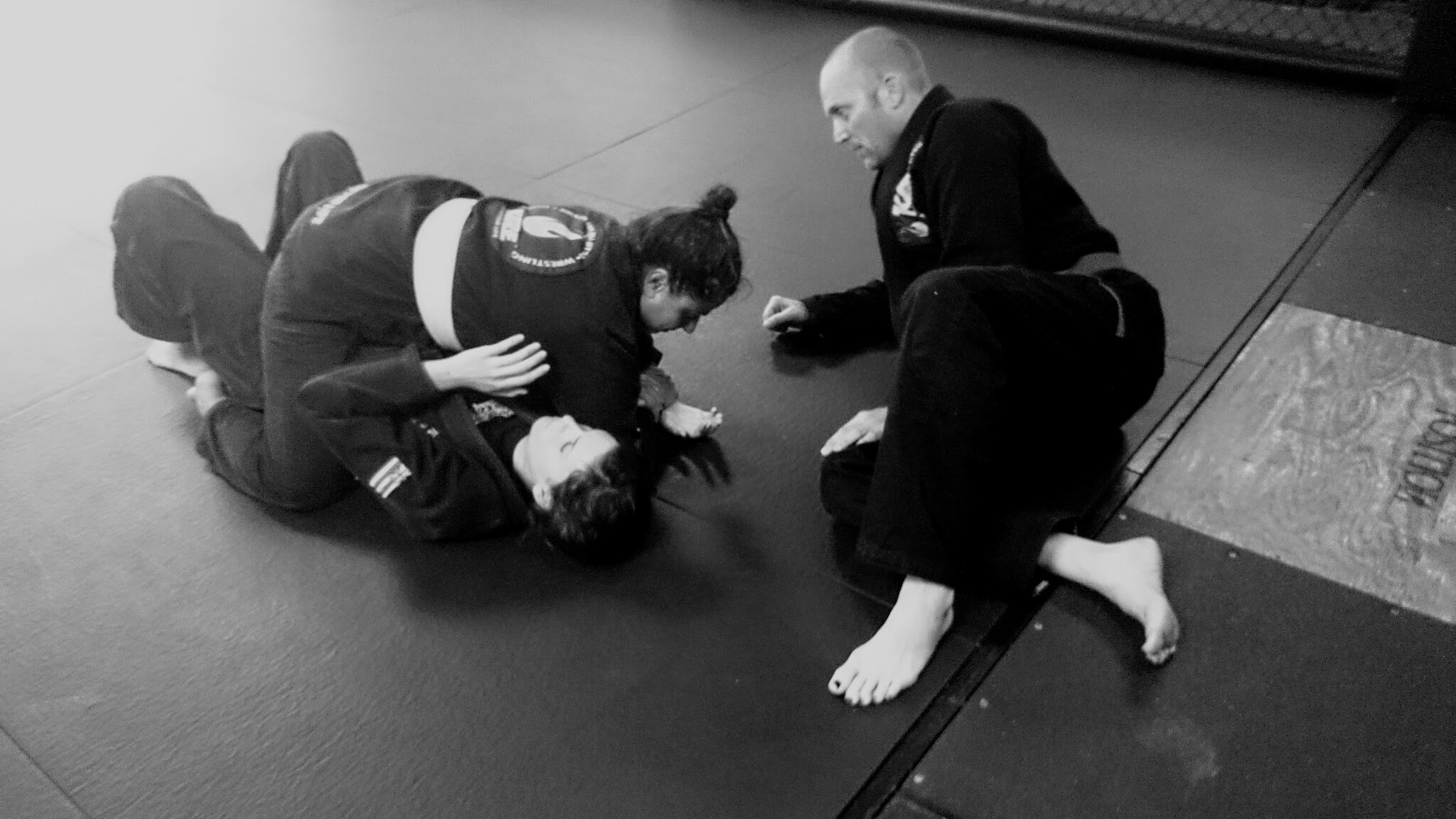
The common perception that “traditional” means “impractical” is a misunderstanding of what these systems were designed to achieve and how they have evolved to meet contemporary needs.
The Myth of Obsolescence: The rise of Mixed Martial Arts (MMA) and Brazilian Jiu-Jitsu (BJJ) has shifted the public’s focus toward “what works” in a cage. However, effectiveness is not a zero-sum game. While Kung Fu may be less represented in professional venues like ONE or the UFC, its relevance lies in its holistic approach to the human experience—something often sacrificed in pure combat sports. Traditional systems like Seven Star Praying Mantis were built on a 400-year-old “recipe” of high-percentage moves proven to work. The challenge is not that the style is obsolete, but that many schools have stopped “testing” it against modern pressure.
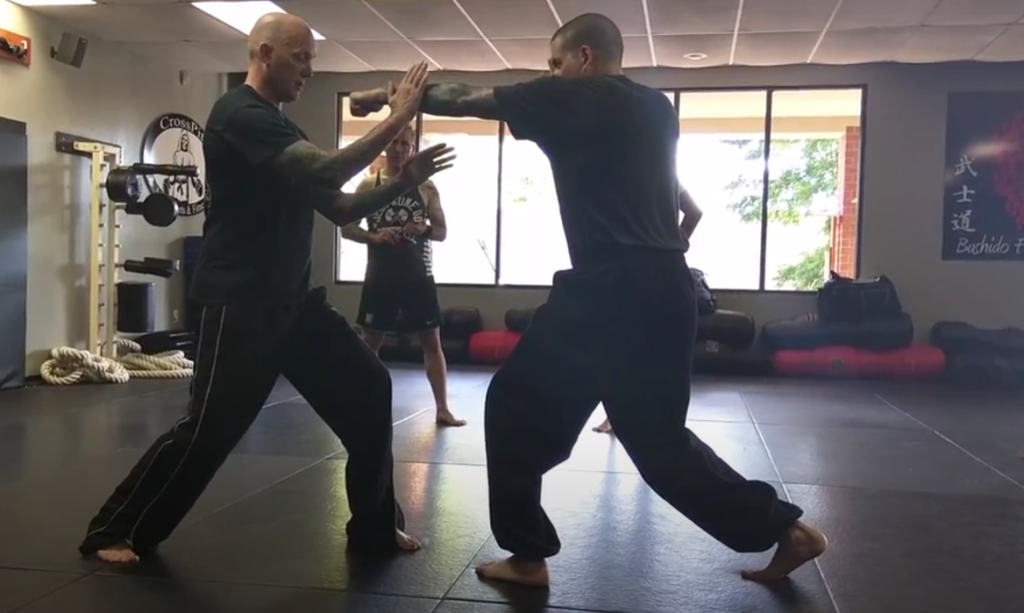
The Iron Mantis Evolution: A Case Study in Relevance Modern systems, such as Iron Mantis Martial Arts, solve the “relevance” problem by integrating the old with the new. Rather than choosing between Kung Fu, Kempo and BJJ, this system merges them into a seamless whole:
• Striking Foundations: Northern Shaolin Seven Star Praying Mantis provides the speed, precision, and “trapping” (Jim Lim Sau) necessary for close-range combat.
• Modern Combat Integration: By adding Hawaiian Kempo (for MMA striking) and Brazilian Jiu-Jitsu (for ground fighting), the system ensures no gaps remain in a practitioner’s defense.
• The “Playing Hands” Bridge: Traditional schools often fail because they jump from forms to kickboxing. Iron Mantis uses “Playing Hands”—a methodical, controlled way of freestyle sparring—to bridge the gap, allowing practitioners to use their traditional techniques in a fluid, unpredictable environment.
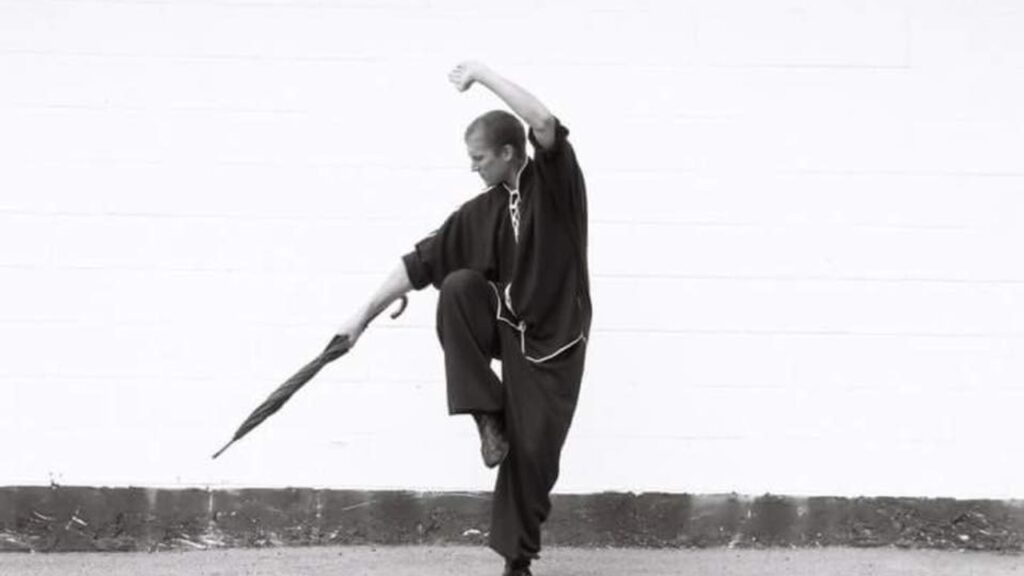
Why Forms Matter in 2026: The criticism of “forms” (Kuen) as a dance is a surface-level observation. In a modern context, forms serve as:
• A Kinetic Encyclopedia: They are a tool for memorizing hundreds of fighting techniques through “pearls on a string” movements.
• Physical Therapy & Longevity: Unlike pure sport fighting, which can break the body down, Kung Fu forms incorporate Qigong and Yoga to improve mobility, balance, and recovery.
• Cognitive Sharpening: To an advanced student, a form is a “kinetic key” to consciousness, aiding in stress management, focus, and “no-mind” (Chi Sau) training.
A Mentoring Perspective: If you are looking for more than just a workout or a way to hurt people, traditional Kung Fu offers a Lineage of Character. In a world of digital noise and “amateur” standards, the pursuit of self-mastery through the 12 Virtues — Patience, Integrity, Humility, and Courage—is a professional’s path. Kung Fu is relevant because it teaches you to “know the ways to preserve rather than destroy”. It produces “fully rounded martial artists” who can navigate a street fight or a boardroom with equal poise.
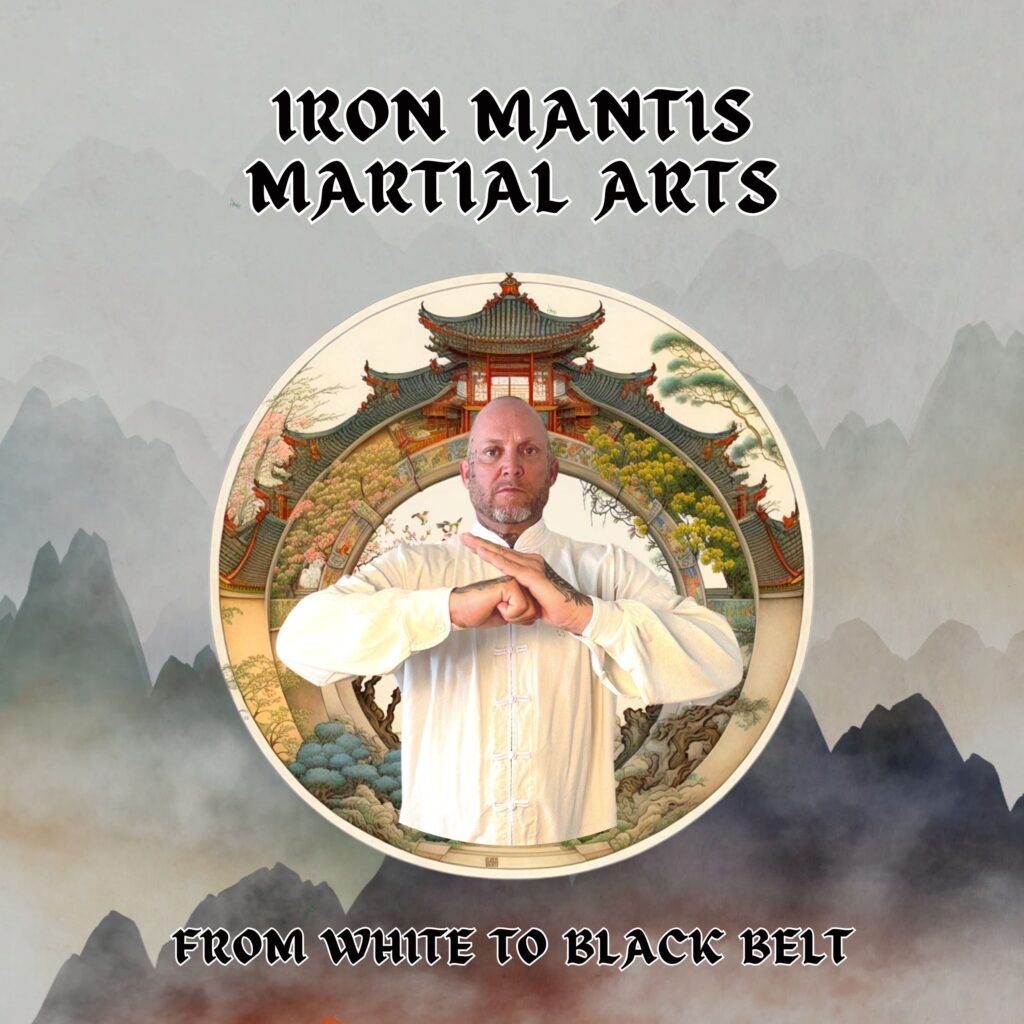
Resources for Further Study:
• Iron Mantis Black Belt Manual: A guide to integrating traditional and modern methods.
• Mantis Chronicles Podcast E4: Deep dive into the science of Kung Fu forms.
• 12 Masters Podcast: Research on the lineage and effectiveness of Seven Star Mantis.